How Arizona's Extreme Summer Heat Can Damage Your Roof: What Every Homeowner Should Know

Introduction
Living in Arizona means enjoying sunshine nearly year-round, but that sunshine comes at a cost for your roof.
During the summer months, rooftop temperatures can climb well above 150 degrees Fahrenheit. Day after day, roofing materials expand under the intense heat and contract as temperatures cool overnight. Over time, this repeated cycle can weaken your roof and lead to expensive repairs if problems go unnoticed.
Understanding how Arizona's climate affects your roof can help you prevent costly damage and extend the life of one of your home's most important investments.
Why Arizona Summers Are Tough on Roofs

Arizona consistently experiences some of the highest temperatures in the United States.
Homes throughout Maricopa are exposed to:
Intense ultraviolet (UV) radiation
Triple-digit temperatures
Daily thermal expansion and contraction
Dust storms
Monsoon weather
Low humidity that dries roofing materials
Unlike regions where snow or ice are the primary concerns, Arizona homeowners must protect their roofs from continuous heat exposure.
How Extreme Heat Damages Roofing Materials

Heat affects every roofing material differently, but prolonged exposure accelerates wear regardless of the roof type.
Tile Roofs
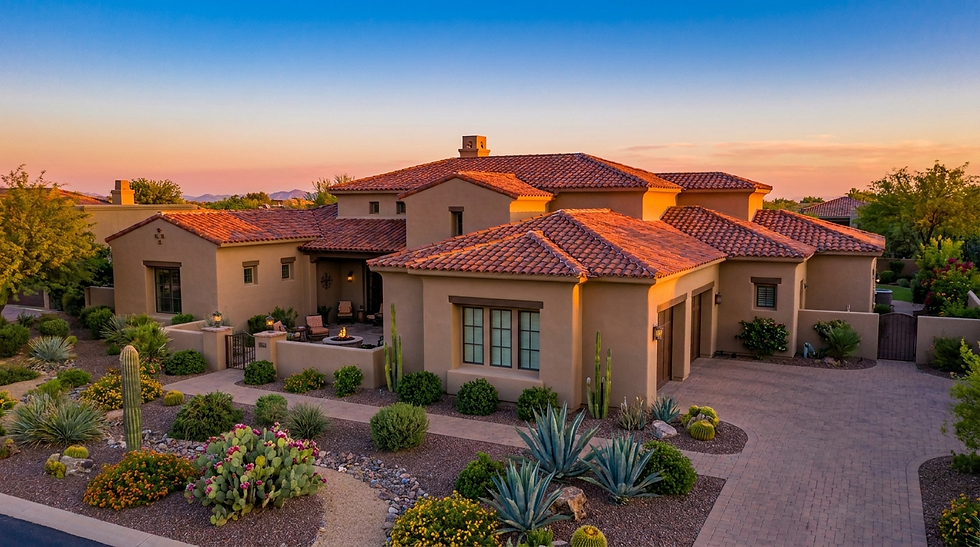
Clay and concrete tile roofs perform well in Arizona but can still develop cracked or shifted tiles after years of thermal movement.
Asphalt Shingles
Extreme UV exposure gradually dries asphalt shingles, causing them to become brittle, curl, or lose protective granules.
Flat Roofing Systems
Flat roofs can experience membrane deterioration, blistering, and ponding water if drainage systems aren't maintained properly.
Flashing and Sealants
Roof flashing and sealants around vents, skylights, and chimneys often deteriorate faster under constant sunlight, creating opportunities for water intrusion.
6 Warning Signs of Heat Damage

Homeowners should watch for these common signs:
1. Cracked Roof Tiles
Visible cracks allow moisture beneath the roofing surface during monsoon storms.
2. Curling or Brittle Shingles
Heat causes shingles to dry out and lose flexibility.
3. Faded Roofing Materials
Excessive fading often indicates UV deterioration.
4. Damaged Flashing
Loose or cracked flashing can become one of the first points of roof failure.
5. Higher Energy Bills
A deteriorating roof may reduce your home's energy efficiency, forcing your air conditioning system to work harder.
6. Interior Water Stains
Small leaks often appear only after summer storms expose hidden weaknesses.
Which Roofing Materials Perform Best in Arizona?
Arizona homeowners have several durable roofing options.
Popular choices include:
Concrete tile
Clay tile
Metal roofing
High-quality architectural shingles
Modern flat roofing membranes
Choosing the right material depends on your home's design, budget, and long-term maintenance goals.
Can Heat Damage Lead to Roof Leaks?
Yes.
While heat itself doesn't create leaks overnight, it weakens roofing components over time.
As flashing separates, sealants crack, and roofing materials age, monsoon rains can easily exploit those vulnerabilities.
Many roof leaks discovered during Arizona's rainy season actually begin months earlier due to heat-related deterioration.
How to Protect Your Roof During Arizona Summers

Preventative maintenance is the best defense against Arizona's harsh climate.
Homeowners should:
Schedule annual roof inspections.
Replace damaged tiles promptly.
Keep gutters and roof valleys clear.
Trim nearby tree branches.
Inspect the roof after dust storms and monsoons.
Address small repairs before they become larger issues.
Regular maintenance can significantly extend the lifespan of your roof.
Why Maricopa Homeowners Choose Professional Roof Inspections
Many roofing issues aren't visible from the ground.
Professional roof inspections help identify:
Hidden heat damage
Loose flashing
Damaged tiles
UV deterioration
Areas vulnerable to leaks
Early detection helps homeowners avoid larger repair bills and provides peace of mind before monsoon season.
Conclusion
Arizona's climate is beautiful, but it places extraordinary stress on every roof.
By understanding how extreme heat affects roofing materials and scheduling regular inspections, homeowners can avoid expensive surprises and extend the life of their roof.
If you suspect your roof has been affected by Arizona's intense summer temperatures, now is the perfect time to schedule a professional inspection before minor issues become major repairs.
External Sources
National Roofing Contractors Associationhttps://www.nrca.net
National Weather Service Phoenixhttps://www.weather.gov/psr
U.S. Department of Energy – Roofing & Energy Efficiencyhttps://www.energy.gov
Federal Emergency Management Agencyhttps://www.fema.gov
FAQs
1. Can Arizona heat damage a roof even without storms?
Yes. Continuous UV exposure and extreme temperatures gradually weaken roofing materials, reducing their lifespan.
2. How hot does a roof get during an Arizona summer?
Roof surfaces can exceed 150°F during peak summer afternoons, depending on the roofing material and color.
3. How often should I have my roof inspected in Arizona?
A professional inspection at least once a year, along with an inspection after severe monsoon storms, is recommended.
4. Are tile roofs better for Arizona homes?
Tile roofs perform very well in Arizona because they resist heat effectively, but they still require regular inspections and maintenance.
5. What are the first signs of heat-related roof damage?
Cracked tiles, curling shingles, faded materials, deteriorating flashing, and higher energy bills are all common warning signs.

Comments