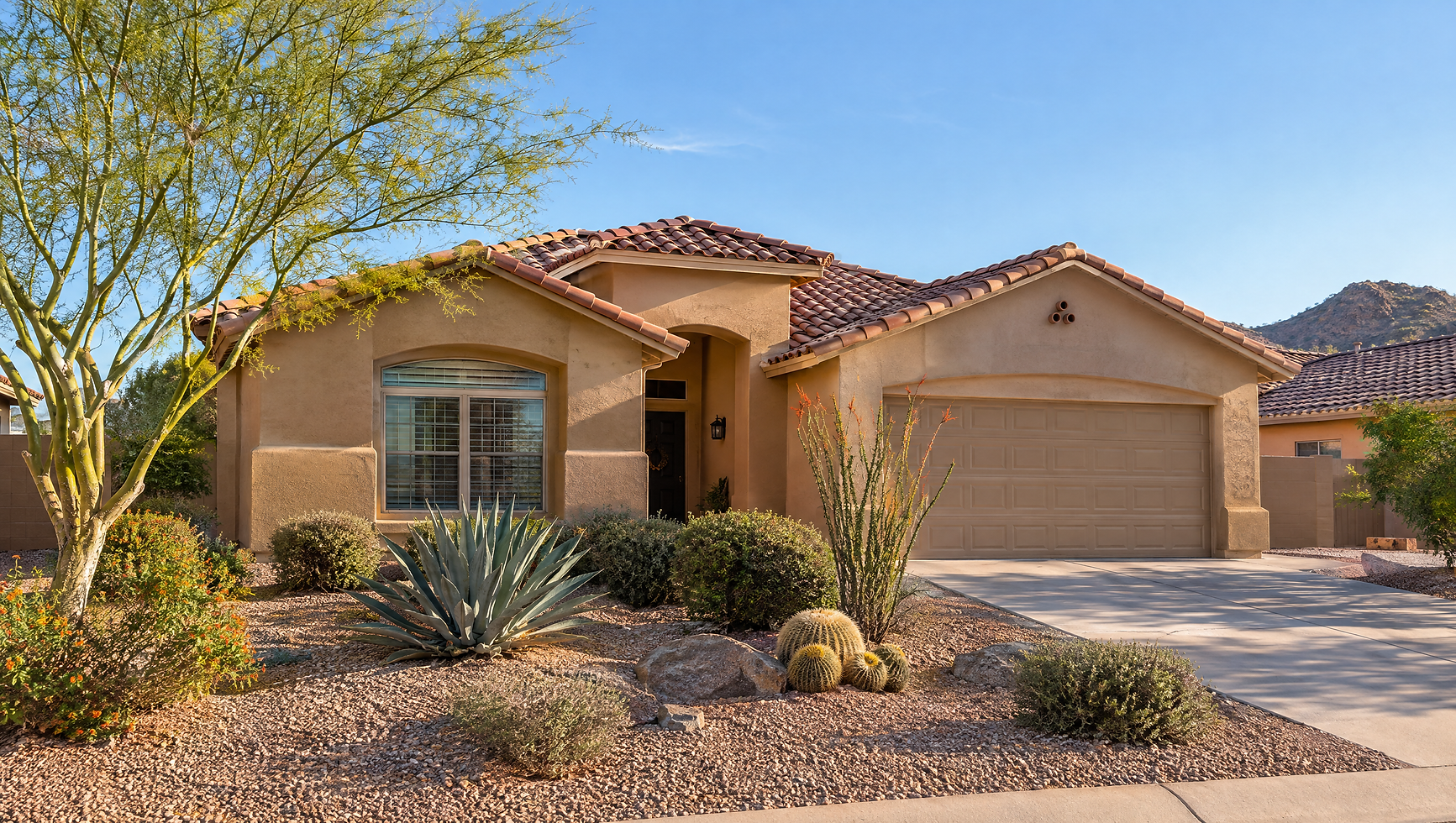
Why Fall Is the Best Time for Tile Roof Repair in Maricopa After Monsoon Season
Introduction
For many Maricopa homeowners, the roof only becomes a priority when a stain appears on the ceiling or water shows up after a storm. By then, monsoon weather may already have tested every weak point that summer heat left behind.
Fall offers a better window. As monsoon activity eases and daytime temperatures become more manageable, you have a practical chance to inspect tile roofs, repair cracked or shifted tiles, and address underlayment or flashing issues before the next round of desert weather stress.
This guide explains why fall is one of the smartest times for tile roof repair in Maricopa after monsoon season, what to look for, and how a professional inspection can help you prioritize work while conditions are still favorable.
Why Post-Monsoon Fall Matters for Maricopa Tile Roofs
Arizona tile roofs work hard all year. Summer heat and UV exposure dry out sealants, stress underlayment, and contribute to cracked or brittle conditions. Monsoon storms then add wind, heavy rain, blowing dust, and debris.
That sequence matters:
Heat and sun can weaken materials through the hottest months
Monsoon storms expose those weak points with rain and wind
Damage is not always obvious from the street
Small tile or flashing issues can keep letting moisture in long after the last storm passes
Fall sits between those extremes. You are past the peak monsoon pattern for many seasons, yet you are not yet deep into the cooler winter repair window. For homeowners in Maricopa, Casa Grande, and nearby communities, that middle period is useful for assessment and repair planning.
How Monsoon Season Leaves Tile Roofs Vulnerable
Tile roofs are durable and well suited to desert living, but they are not maintenance-free.
After monsoon season, common vulnerabilities include:
Cracked or Broken Tiles
Wind-driven debris, foot traffic from earlier work, thermal movement, and age can leave tiles cracked. Once a tile is compromised, water has an easier path toward the underlayment.
Shifted or Loose Tiles
Strong winds can move tiles slightly out of place. Even a small shift can interrupt the protective overlap that keeps moisture off the layers beneath.
Flashing and Sealant Wear
Areas around chimneys, vents, skylights, and roof transitions depend on flashing and sealants. Summer UV exposure can dry and crack those materials. Monsoon rain then finds the gaps.
Underlayment Exposure
Tiles are the visible armor. Underlayment is a critical moisture barrier underneath. When tiles are missing, cracked, or displaced, underlayment can age faster and lose effectiveness.
Debris in Valleys and Drainage Paths
Dust, leaves, and storm debris can collect in valleys and along drainage routes. Blocked flow during later rain events increases the chance of localized water problems.
7 Reasons Fall Is a Strong Window for Tile Roof Repair
1. Storm Damage Is Easier to Evaluate Once Peak Monsoon Pressure Eases
After a stretch of active storms, it becomes clearer which issues were temporary and which ones remain. Fall inspections can focus on lasting tile displacement, flashing gaps, and leak clues instead of reacting only in the middle of severe weather.
2. Cooler Temperatures Make Repair Work More Practical
Extreme summer heat makes roof work harder on materials, crews, and schedules. Fall conditions in the Maricopa area are often more comfortable for thorough inspections and careful tile repair, which can support better attention to detail on the roof.
3. You Can Fix Monsoon Openings Before the Next Wet Weather Arrives
Not every leak appears during the storm that caused the damage. Some homes stay dry until the next significant rain. Repairing cracked tiles, reseating shifted pieces, and correcting flashing issues in fall helps close those openings sooner.
4. UV and Heat Damage From Summer Is Already Visible
By autumn, summer wear has had a full season to show up as faded surfaces, brittle sealants, cracked tiles, or deteriorating edge details. Fall is a natural checkpoint after months of desert sun.
5. Interior Warning Signs Are Easier to Connect to the Roof
Water stains, damp attic insulation, and musty upper-room smells after monsoon events are easier to investigate while recent weather is still fresh in mind. Fall gives homeowners time to connect indoor clues with exterior tile conditions.
6. Preventative Repairs Can Reduce Emergency Calls Later
Addressing limited tile and flashing problems now is usually simpler than waiting until a larger leak forces an urgent response. Fall maintenance supports planning instead of crisis mode.
7. Fall Sets Up a Cleaner Path Into Winter and Next Year's Heat Cycle
Winter can be a favorable repair season in Arizona as well, but fall assessment helps you decide what needs prompt attention versus what can be scheduled thoughtfully. Completing post-monsoon repairs before the next extreme heat cycle returns keeps small issues from sitting open for months.
What Maricopa Homeowners Should Check After Monsoon Season
You do not need to climb onto a tile roof to start a useful check. From the ground and from inside the home, look for:
Missing, cracked, or obviously shifted tiles
Debris collected in valleys or against parapets
Bent, loose, or debris-filled gutters and downspouts
Stains on ceilings or walls, especially after storms
Damp or discolored attic insulation (if the attic is safely accessible)
Daylight visible through roof penetrations when viewed carefully from below
New rattling or loose-sounding areas during windy days
If anything looks uncertain, schedule a professional inspection rather than walking on tile. Tile roofs can be damaged by improper foot traffic, and walking on a compromised roof can be unsafe.
Common Tile Roof Repairs Homeowners Schedule in Fall
Fall post-monsoon work often focuses on targeted repairs rather than full replacement.
Typical needs include:
Replacing cracked or broken tiles
Reseating or securing shifted tiles
Repairing or resealing flashing
Addressing localized underlayment concerns beneath damaged tile areas
Clearing valleys and improving drainage paths
Documenting storm-related damage for informed next steps
Every home is different. A professional inspection helps determine whether a repair is limited or whether broader conditions need attention.
When Not to Wait
Some situations deserve prompt professional attention even if fall schedules are busy:
Active leaks during or after rain
Multiple missing or badly cracked tiles
Visible flashing separation
Expanding interior water stains
Soft or damp decking indicators discovered during inspection
Repeated leaks in the same area after previous patch attempts
Waiting can allow moisture to affect underlayment, insulation, and interior finishes.
Why Professional Inspections Matter After Monsoon Season
Many monsoon-related problems are not obvious from the curb. A qualified roofing professional can:
Inspect tile condition more thoroughly
Identify flashing and sealant failures
Look for underlayment exposure risks
Document findings clearly
Recommend prioritized repairs
Help distinguish cosmetic wear from moisture pathways
Early detection is one of the most practical ways to protect a tile roof investment in Maricopa's climate.
Why Homeowners Choose Maricopa Roof Repair
Homeowners throughout Maricopa trust roofing specialists who understand desert heat, monsoon weather, and the maintenance needs of tile systems.
Our team provides:
Roof inspections
Roof repairs
Tile roof repair
Leak detection
Preventative maintenance
Monsoon damage assessments
We help homeowners move from post-storm uncertainty to a clear plan for repair and protection.
Conclusion
Fall is one of the best times for tile roof repair in Maricopa after monsoon season because it combines clearer post-storm visibility with more practical working conditions. Summer heat and monsoon weather can leave cracked tiles, shifted pieces, worn flashing, and hidden moisture pathways. Addressing those issues now helps protect your home before the next round of rain or extreme temperatures returns.
If your tile roof has not been professionally inspected since monsoon season, consider scheduling an evaluation while fall conditions still favor careful assessment and repair planning.
External Sources
National Roofing Contractors Association https://www.nrca.net
National Weather Service Phoenix https://www.weather.gov/psr
Federal Emergency Management Agency https://www.fema.gov
U.S. Department of Energy, Roofing & Energy Efficiency https://www.energy.gov
FAQs
1. Why is fall a good time for tile roof repair in Maricopa?
Fall usually follows the heaviest monsoon activity and brings more manageable temperatures for inspections and repairs, making it easier to fix storm-exposed tile and flashing issues.
2. What monsoon damage should I look for on a tile roof?
Common concerns include cracked or shifted tiles, debris in valleys, worn flashing or sealants, clogged drainage paths, and interior stains that appeared after storms.
3. Can I wait until winter to repair cracked tiles?
Minor issues should still be evaluated promptly. Some work can be planned into cooler months, but active leaks, missing tiles, or expanding stains should not wait.
4. Is it safe to walk on my tile roof to inspect it myself?
Generally no. Improper foot traffic can crack tiles, and roofs can be hazardous. Start with a ground-level check and use a professional for closer evaluation.
5. How often should Maricopa homeowners inspect tile roofs?
A professional inspection at least once a year is a practical baseline, with additional checks after significant monsoon storms or when leak warning signs appear.


Comments